Optimize your operation’s efficiency.
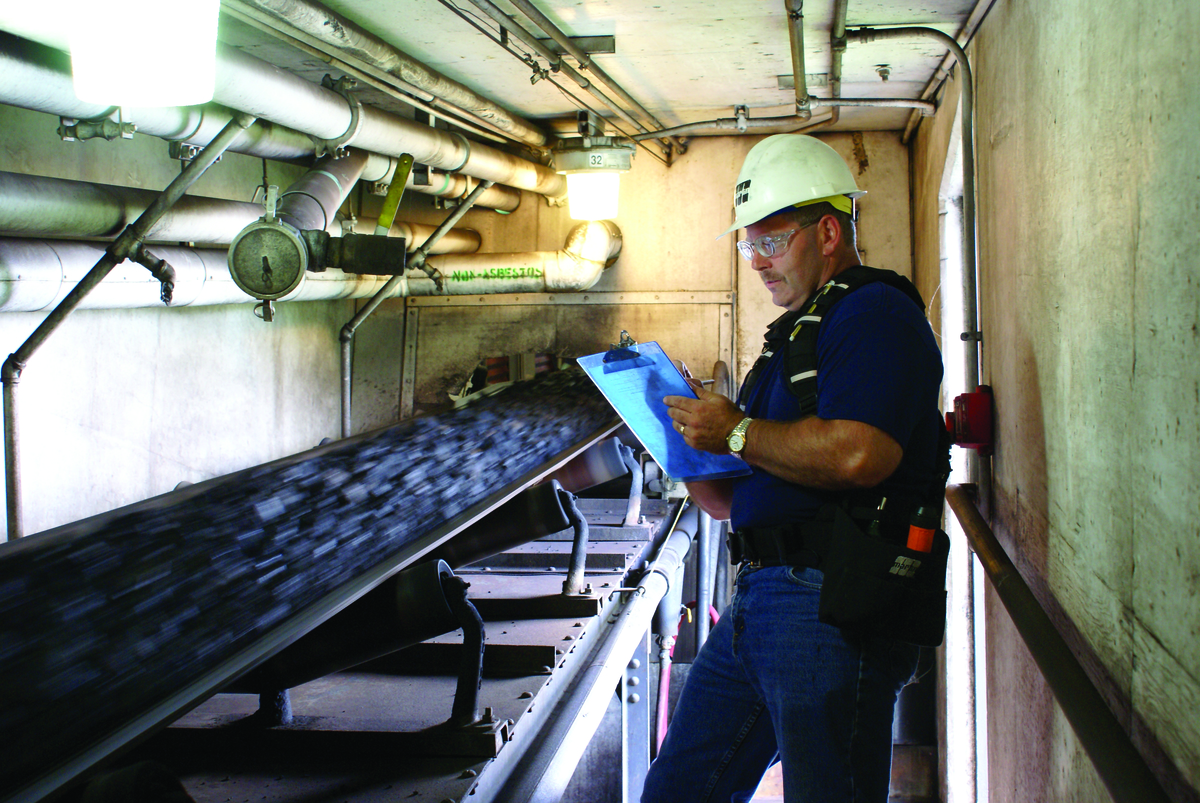 In an industrial environment where tons of material are being unloaded from containers, transported along conveyor belt systems and funneled through chutes, efficiency is critical. With so many moving parts in the process, they have to be precisely coordinated to make sure that the product is moved efficiently without spilling or sticking to the conveyor belt.
When problems occur, materials accumulate quickly. It can build up on the belts and result in carryback or it can adhere to the interior walls of chutes and containers, especially if the material retains moisture. In addition to the loss of product, this also creates obstructions that can hinder or damage the equipment. In extreme situations, particularly at the tail section of conveyor belts, components can be completely buried by spilled material. This frequently causes a shutdown that requires manual cleanup. This is not only inefficient… it can be hazardous for the workers.
If your operation would benefit from an increase in efficiency, talk to one of our experts and ask about our Walk The Belt™ program, where we perform a thorough inspection and assessment of your entire conveyor system. We’re standing ready to listen to you describe your operation and offer recommendations on how to optimize your efficiency. Our technicians and engineers are available to provide expert advice and assistance on all of your bulk material handling questions and problems.
Our Solutions For Your Biggest Challenges:
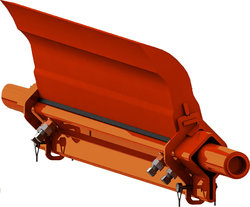
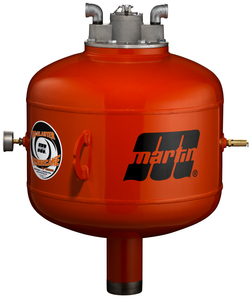
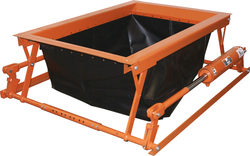
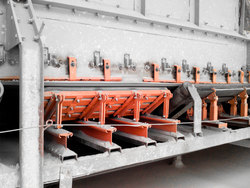
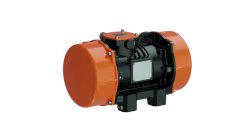
We Solved Their Problems!
Let us help you solve yours as well. All products and services provided by Martin Engineering carry our Absolutely No Excuses Guarantee. If we don't solve your problem, we will fully refund your money or provide a different solution for you. Period.
Martin® Offers Process Improvement Recommendations in Coal-Fired Power Industry
In normal operations at a coal-fired power plant in Arkansas, a 72-inch (1800 mm) feeder belt loads coal onto another 72-inch (1800 mm) belt. Plant engineers wanted to be able to bypass the second conveyor and load material directly from the first conveyor to the last. The plant needed engineering assistance to accomplish this redesign and avoid bottlenecks and plugs in the new chute.
Martin® Air Cannons Result In No More Unscheduled Outages
At CEMEX in Tennessee, buildup on the walls of the pre-heater was a continuing headache for operating personnel and a consistent production bottleneck. To knock down the buildup, the plant resorted to water blasting, but the frequent water blasting proved costly, with high labor expenses, shortened refractory life and reduced kiln efficiency.
Air Cannons Eliminate Need For Water Blasting
A plant used water blasting to remove material buildups from the pre-heater tower’s riser duct. Personnel were required to open access doors into the tower twice a day to remove the accumulations with a high-pressure water spray. The water blasting caused production problems, dropping lumps into the kiln feed, downgrading kiln efficiency and clinker quality.
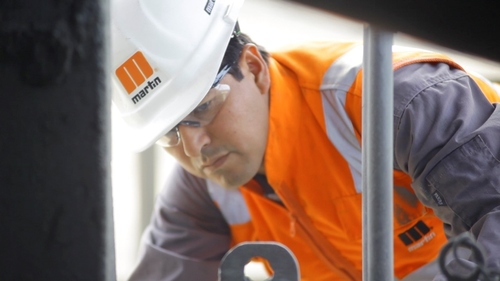
Save With Our Martin® Walk the Belt™ Service!
Every conveyor is different, even within the same facility! We can provide regularly-scheduled reviews of your bulk material handling system components, involving a specialized crew with the expertise necessary to achieve high operating standards, keeping the conveyor system running at maximum productivity. Immediate data and photos will be available to facility managers and our suggestions will ensure long-term savings and efficiency.
Get Your Belts Reviewed By People Who Know What They’re Looking At -- At No Charge!
Download Our Belt Cleaner Brochure

Looking for in-depth information on belt cleaning solutions? Our brochure includes carryback removal solutions for all applications.
Download The Brochure
The Industry's Best Blades

Find out how our patented Constant Angle/Area Radial Pressure (CARP) technology results in more efficient, longer-lasting blades than the competition.
Learn More
We're Here to Help
Toll-Free 800-544-2947
Martin Engineering
One Martin Place
Neponset, IL 61345-9766
Get Directions
info@martin-eng.com
309-852-2384